
Responsible homeownership involves staying ahead of the maintenance needs that keep a property safe, functional, and enjoyable. Two services that many homeowners overlook until problems arise are septic system pumping and swimming pool maintenance. Both require regular professional attention to operate correctly, and both can become costly and disruptive when neglected.
Understanding what each service involves and why it matters helps homeowners protect their investment and avoid avoidable emergencies.
Why Septic Pumping Is a Non-Negotiable Service
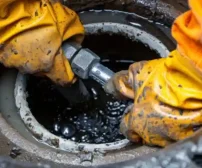
Properties that are not connected to a municipal sewer system rely on a septic tank to collect, treat, and disperse household wastewater. Over time, solid waste accumulates in the tank and must be removed before it reaches capacity. Professional septic pumping removes this accumulated sludge, preventing overflow that can back up into the home, seep into the surrounding soil, or contaminate groundwater.
Most systems require pumping every three to five years, though frequency depends on the tank size and the number of occupants in the household. During a pumping service, a technician also inspects the tank for cracks, damaged baffles, or signs of system failure. Catching these issues early allows for repairs that cost far less than addressing a full septic system failure.
The Value of Weekly Pool Maintenance
A swimming pool is one of the most enjoyable features a property can have, but it requires consistent professional care to remain safe and inviting. Professional weekly pool maintenance includes testing and adjusting water chemistry, skimming the surface, brushing walls and tiles, vacuuming the pool floor, cleaning the filter, and inspecting equipment such as pumps, heaters, and automated systems. This regular care keeps the water balanced, clear, and safe for swimming.
Unbalanced pool chemistry causes problems that extend well beyond cloudy water. Incorrect pH or chlorine levels can irritate swimmers’ eyes and skin, encourage algae growth, and corrode pool equipment and surfaces. Professional weekly service prevents these issues from developing and extends the life of the pool’s infrastructure significantly.
The Cost of Deferred Maintenance
Both septic and pool systems suffer disproportionately when maintenance is deferred. A neglected septic tank can fail completely, requiring a system replacement that costs thousands of dollars and involves significant disruption to the property. A poorly maintained pool can develop algae infestations, equipment failures, and surface damage that are expensive to remediate and may require the pool to be drained and resurfaced.
Investing in regular professional maintenance for both systems is consistently more economical than dealing with the consequences of neglect. The predictable cost of routine care is always preferable to the unpredictable expense of emergency repairs.
Conclusion
Septic pumping and weekly pool maintenance are two essential services that keep a property running safely and comfortably. Both require professional expertise and regular scheduling to deliver their full benefit. Homeowners who stay current with these services protect their property value, avoid unexpected emergencies, and enjoy the peace of mind that comes with knowing their systems are well cared for.
Building these services into an annual home maintenance plan is a simple and smart approach to responsible property ownership.