

The driveway is one of the first things people notice when approaching a property. It contributes significantly to curb appeal, affects the practical usability of the home, and reflects the overall standard of property maintenance.
Among the many driveway materials available, asphalt consistently stands out as one of the most popular and practical choices for homeowners seeking a durable, attractive, and cost-effective solution.
What Asphalt Driveway Installation Involves
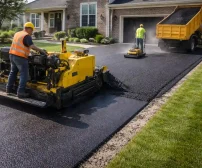
Professional asphalt driveway installation begins with careful site preparation, which is the most critical phase of the project. This includes excavating the existing surface, grading the sub-base to ensure proper drainage, and compacting a stable aggregate base layer. A well-prepared foundation is what separates a driveway that lasts decades from one that cracks and shifts within a few years.
Once the base is prepared, hot-mix asphalt is applied and compacted using heavy rollers to create a smooth, dense surface. The entire process from excavation to completion can typically be achieved within one to two days for a standard residential driveway, making it one of the less disruptive major home improvement projects available.
The Advantages of Asphalt Over Other Materials
Asphalt offers several significant advantages compared to alternatives like concrete, gravel, or pavers. Its cost is generally lower than concrete or paving stone installations, making it accessible to a wider range of homeowners. Its dark surface absorbs heat, which helps snow and ice melt more quickly in winter climates, reducing the need for de-icing products and manual snow removal effort.
Asphalt is also a flexible material that handles the natural expansion and contraction caused by temperature changes better than rigid concrete, making it less prone to cracking under freeze-thaw cycles. When cracks do develop over time, they are straightforward to repair without requiring full replacement of the surface.
Maintenance and Longevity
A properly installed asphalt driveway has a service life of twenty to thirty years with appropriate maintenance. The most important maintenance task is seal coating, which should be applied within the first year of installation and every three to five years thereafter.
Sealcoating protects the asphalt from UV degradation, water penetration, and oil or chemical staining, extending the driveway’s appearance and structural integrity significantly. Prompt repair of any cracks or potholes that develop prevents water from penetrating the sub-base, which is the primary cause of more extensive driveway damage.
Choosing a Qualified Installation Company
The quality of any asphalt driveway depends on the experience and workmanship of the installation crew. Choose a licensed paving contractor with a solid local reputation, documented insurance coverage, and a clear written estimate that outlines the scope of work, materials to be used, and timeline for completion.
Request references from previous residential projects and, where possible, view examples of completed work before making a decision.
Conclusion
Asphalt driveway installation delivers an excellent combination of durability, affordability, and aesthetic appeal that makes it the right choice for a wide range of homeowners. When installed by experienced professionals on a properly prepared base and maintained with regular seal coating and prompt repairs, an asphalt driveway provides decades of reliable service and strong curb appeal. It is a practical investment that adds real value to any property.