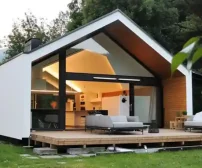


In recent years, the quest for innovative housing solutions has gained momentum as people seek faster and more cost-effective ways to secure their dream homes. Traditional construction methods often involve long timelines and high expenses, prompting a shift towards more modern approaches. Innovative housing solutions like prefabricated homes, custom modular homes, and other cutting-edge alternatives are becoming increasingly popular, offering a blend of affordability, efficiency, and sustainability.
Prefabricated Homes: A Rapid and Economical Choice
Prefabricated homes, often referred to as prefab homes, are a testament to how innovation can reshape the housing industry. These homes are built off-site in a controlled factory environment and then transported to the desired location for assembly. This method significantly reduces construction time and labor costs, making prefabricated homes a rapid and economical choice for homebuyers. By minimizing on-site construction, prefab homes can be completed in a fraction of the time it takes to build a traditional home, allowing families to move in sooner and with less financial strain.
Custom Modular Homes: Tailored Living with Efficiency
Custom modular homes offer a unique blend of personalization and efficiency, catering to those who desire a home that reflects their individual tastes without sacrificing practicality. Like prefabricated homes, custom modular homes are constructed off-site in sections or modules. These modules are then transported and assembled on the home site. The advantage of custom modular homes lies in their flexibility; homeowners can choose from a variety of layouts, designs, and finishes, ensuring their home is tailored to their specific needs and preferences. This approach not only saves time and money but also results in a high-quality, durable structure.
Tiny Homes: Maximizing Space and Minimizing Costs
Tiny homes have emerged as a popular solution for those looking to downsize and reduce their environmental footprint. Typically ranging from 100 to 400 square feet, tiny homes maximize space through innovative design and efficient use of resources. By living in a smaller space, homeowners can significantly reduce their utility bills and maintenance costs. Tiny homes can be prefabricated or custom-built, offering flexibility in design and construction. Their affordability and minimalistic approach make them an attractive option for those seeking a simpler, more sustainable lifestyle.
3D-Printed Homes: Revolutionizing Construction
The advent of 3D printing technology has opened up new possibilities in the realm of housing. 3D-printed homes are constructed using large-scale printers that layer material to build the structure. This method can dramatically reduce construction time and costs, as it requires fewer materials and less labor. Additionally, 3D printing allows for creative architectural designs that were previously difficult or impossible to achieve. While still in its nascent stages, 3D printing technology holds great promise for the future of affordable and innovative housing.
Shipping Container Homes: Durable and Eco-Friendly
Shipping container homes offer a unique and sustainable housing solution by repurposing used shipping containers into livable spaces. These homes are not only durable and weather-resistant but also environmentally friendly, as they recycle materials that would otherwise go to waste. Shipping container homes can be customized to fit a variety of styles and sizes, making them an adaptable choice for many homebuyers. The use of shipping containers as a building material reduces construction costs and time, providing a cost-effective and rapid housing solution.
Cohousing Communities: Shared Resources and Stronger Connections
Cohousing communities represent an innovative approach to living that emphasizes shared resources and communal living spaces. In these communities, residents have their own private homes but share common areas such as kitchens, gardens, and recreational facilities. This model fosters a sense of community and cooperation, reducing individual living costs and promoting sustainable living practices. Cohousing communities are designed to encourage interaction and collaboration, offering a supportive environment that enhances the quality of life for residents.
Conclusion
As the demand for affordable and efficient housing continues to grow, innovative solutions like prefabricated homes, custom modular homes, and other alternatives are paving the way for the future of living. These approaches not only address the challenges of traditional construction but also offer exciting possibilities for personalization and sustainability. By embracing these innovative housing solutions, individuals can achieve faster and more cost-effective living while contributing to a more sustainable world.