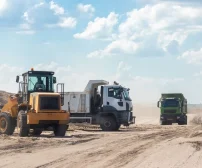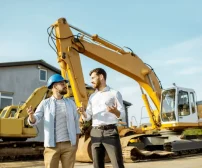

Infrastructure is the backbone of our modern society. It includes roads, bridges, utilities, and various other essential structures. The success of any infrastructure project largely depends on the construction vehicles utilized. These vehicles are not just tools; they are vital partners in the construction process, determining the efficiency and quality of the final output. Understanding which infrastructure vehicles to use and their specific functions is crucial for any construction manager or contractor.
Types of Infrastructure Vehicles
Earthmoving Equipment
Earthmoving equipment is essential in every construction project. These vehicles prepare the site by moving large quantities of earth, whether it’s soil, sand, or gravel.
Excavators are one of the most versatile earthmoving machines. They come equipped with a bucket for digging and can also be fitted with various attachments for tasks like demolition or trenching. Their ability to rotate 360 degrees makes them invaluable for digging deep foundations or clearing debris.
Bulldozers are another critical piece of equipment. With their powerful blades, they can push large amounts of material, making them ideal for grading and clearing sites. Their robust design allows them to operate in tough conditions, making them a staple on any infrastructure project.
Backhoes offer versatility, combining the capabilities of both a loader and an excavator. They are perfect for small to medium-sized projects where space is limited. Their ability to dig, lift, and load makes them a favorite among contractors.
Material Handling Equipment
Efficient material handling is vital in construction. Infrastructure vehicles designed for this purpose ensure that materials are transported safely and quickly.
Forklifts are commonly used for lifting and transporting materials on-site. They can navigate tight spaces, making them perfect for urban construction projects. With the right attachments, forklifts can handle various materials, enhancing their usability.
Telehandlers provide additional reach and lifting capabilities, making them ideal for multi-story construction projects. These vehicles can elevate materials to significant heights, allowing for efficient loading and unloading.
Dump trucks play a crucial role in transporting loose materials such as gravel, sand, or debris. Equipped with a hydraulic lift, dump trucks can unload their cargo quickly, saving time and labor.
Paving and Compaction Equipment
Paving and compaction equipment are vital for creating durable surfaces that withstand the test of time.
Asphalt pavers are specialized machines that lay down asphalt for roads and parking lots. They ensure a smooth, even surface, which is crucial for safety and longevity. The quality of the paving directly impacts the road’s durability.
Rollers are used to compact the surface after paving. They compress the material to eliminate air pockets, providing a solid foundation. Different types of rollers are available, including vibratory and static, depending on the project requirements.
Compactors are essential for preparing subgrades. They ensure that the layers beneath the surface are solid and stable, which is critical for the performance of the paved surface above.
Specialized Infrastructure Vehicles
Cranes
Cranes are essential for lifting heavy materials and equipment on construction sites. Different types of cranes serve various purposes.
Tower cranes are commonly seen on large construction sites, especially for high-rise buildings. They provide significant lifting height and reach, making them ideal for lifting heavy materials to upper floors. Their stability and height make them indispensable in urban construction.
Mobile cranes offer flexibility. They can be moved easily from one site to another, making them suitable for projects where multiple locations are involved. Their ability to maneuver in tight spaces can be a game-changer.
Concrete Equipment
Concrete is a fundamental material in construction. Vehicles designed for concrete handling ensure that it is mixed, transported, and poured efficiently.
Concrete mixers are essential for preparing concrete on-site. They ensure that the mixture is consistent and ready for pouring. This is vital for maintaining the structural integrity of the final product.
Concrete pumps allow for the quick and efficient transfer of concrete to hard-to-reach areas. They are especially useful on high-rise projects where pouring directly from a mixer is not feasible.
Concrete conveyors can transport concrete over longer distances, reducing the need for multiple mixers on-site. They streamline the pouring process and enhance efficiency.
Utility Vehicles
Utility vehicles support various infrastructure tasks, ensuring that operations run smoothly.
Digger derricks are versatile vehicles that can dig holes and lift heavy materials simultaneously. They are often used for utility installations, such as power lines.
Bucket trucks allow workers to reach high places safely. They are frequently used for maintenance and repair tasks, especially in urban settings where access can be challenging.
Service trucks are equipped with tools and supplies necessary for on-site repairs and maintenance. They ensure that other vehicles and equipment remain operational, reducing downtime.
Key Features of Infrastructure Vehicles
Performance and Efficiency
When selecting infrastructure vehicles, performance is paramount. The right vehicle can significantly impact the project’s timeline and costs.
Fuel efficiency is a critical factor. Modern infrastructure vehicles are designed to consume less fuel, which not only reduces operational costs but also minimizes environmental impact. Look for vehicles with advanced engines and technologies aimed at improving fuel economy.
Load capacity is another vital consideration. Each vehicle should meet the specific weight requirements of the materials it will handle. Overloading can lead to equipment failure and safety hazards.
Operational speed is essential for maintaining productivity. Vehicles that can operate quickly and efficiently will keep your project on schedule.
Safety Features
Safety is non-negotiable in construction. Modern infrastructure vehicles come equipped with various safety features to protect operators and workers.
Backup cameras and sensors help prevent accidents when reversing or maneuvering in tight spaces. These technologies provide better visibility and awareness of the surroundings.
Rollover protection systems are crucial for vehicles like excavators and bulldozers. They ensure operator safety in case of a vehicle tip-over, which can be life-threatening.
Stability control systems help maintain balance, especially for vehicles operating on uneven terrain. These features are essential for preventing accidents and ensuring safe operations.
Technological Advancements
Technology is rapidly changing the landscape of construction vehicles. Staying updated on these advancements can give you an edge in the industry.
GPS technology allows for precise tracking of vehicles on-site. This can improve logistics and ensure that materials are delivered exactly where they are needed.
Telematics systems provide real-time data about vehicle performance and health. This information can help with maintenance schedules, reducing downtime and repair costs.
Selecting the Right Infrastructure Vehicles for Projects
Assessing Project Requirements
Understanding the specific needs of a construction project is crucial in selecting the right infrastructure vehicles. Every project is unique, and the vehicles chosen should align with its requirements. Consider factors such as site conditions and project scope. For instance, a project in a densely populated urban area may require smaller, more maneuverable vehicles, while a large, open site may benefit from larger equipment.
Budget Considerations
Budgeting is a significant aspect of any construction project. When selecting infrastructure vehicles, consider both initial costs and long-term expenses. Evaluate whether it is more cost-effective to purchase or rent equipment. Renting can be a great option for short-term projects, while purchasing may be better for long-term use. Always analyze the total cost of ownership, including maintenance, insurance, and depreciation.
Vendor Selection and Support
Choosing a reliable supplier is critical for ensuring that you have access to quality infrastructure vehicles. Research potential vendors thoroughly. Look for suppliers that offer excellent after-sales support, including maintenance and training services. A good relationship with your vendor can make a significant difference in the success of your project.
Maintenance and Care for Infrastructure Vehicles
Routine Maintenance Practices
Regular maintenance is essential for prolonging the life of your infrastructure vehicles. Implementing a consistent maintenance schedule can prevent costly repairs and downtime. Key maintenance tasks include checking fluid levels, inspecting tires, and cleaning filters. Keeping up with these routine checks will help ensure that your vehicles operate efficiently and safely.
Troubleshooting Common Issues
Even with proper maintenance, issues can arise. It is essential to be aware of common problems faced by infrastructure vehicles.
Upgrading and Retrofitting
As technology advances, it may be necessary to upgrade or retrofit existing vehicles. This can enhance performance and efficiency without the need for a complete replacement. Consider retrofitting vehicles with modern safety features or upgrading engines for better fuel efficiency. These improvements can significantly extend the life of your equipment.
Conclusion
Infrastructure vehicles are critical to the success of construction projects. Understanding the types of vehicles available, their features, and how to select the right ones can significantly impact project efficiency and quality. As technology advances and sustainability becomes a priority, staying informed about the latest trends in infrastructure vehicles is essential. By making informed decisions and leveraging the right equipment, you can ensure that your infrastructure projects are completed successfully and efficiently.
FAQs
1. What are the main types of infrastructure vehicles?
The main types include earthmoving equipment, material handling equipment, paving and compaction equipment, cranes, concrete equipment, and utility vehicles.
2. How do I choose the right infrastructure vehicle for my project?
Assess your project requirements, budget, and the specific tasks the vehicle needs to perform. Consider site conditions and equipment capabilities.
3. What maintenance is required for construction vehicles?
Routine checks should include fluid levels, tire inspections, and cleaning filters. Regular maintenance prevents costly repairs and downtime.