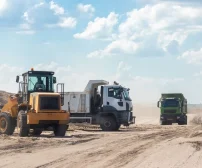


Managing a construction site requires more than just labor and materials. The right vehicles make or break a project. Even experienced teams know that knowing each machine’s strengths and limits saves time and money. A construction vehicle handbook guides vehicle types, their uses, and best practices. For professionals familiar with basic machinery, this guide dives deeper into fleet strategy, maintenance, and operational efficiency.
Classification of Construction Vehicles
Understanding your fleet starts with knowing what each type of vehicle can do. Construction vehicles are not interchangeable. Using the wrong equipment slows work and can create safety risks. A clear classification helps project managers assign the right tool for every task.
Heavy Construction Equipment
Excavators, bulldozers, and loaders dominate the heavy equipment category. Excavators handle digging, grading, and trenching with efficiency and precision. Bulldozers excel at moving large amounts of earth and shaping terrain. Loaders are flexible machines that carry and transfer materials across a site quickly. Choosing the right machine depends on soil type, project size, and task complexity. Heavy construction equipment is often the backbone of large projects, and understanding its operational advantages improves overall workflow.
Material Handling Vehicles
Material handling equipment includes forklifts, telehandlers, and cranes. Forklifts are ideal for lifting and moving palletized materials around a site. Telehandlers combine lifting and reach capabilities, allowing access to elevated or hard-to-reach areas. Cranes are essential for lifting heavy or oversized items safely. Knowing load capacities and maneuvering limitations ensures smooth operations and avoids costly delays. For a construction vehicle handbook, material handling vehicles demonstrate how precision equipment contributes to speed and safety.
Operational Uses of Construction Vehicles
The real value of construction vehicles lies in their use. Matching vehicles to tasks improves productivity while lowering fuel and maintenance costs. Operational awareness goes beyond knowing the basic function of each machine.
Earthmoving and Site Preparation
Excavation and grading set the stage for every project. Choosing the correct machine for earthmoving reduces project time and prevents damage to equipment or terrain. Soil compaction is another important step, and selecting a machine that can handle both excavation and leveling avoids unnecessary transfers. Efficient site preparation ensures that the next stages of construction proceed smoothly. Experienced operators often rotate machines based on task sequence to maintain workflow and minimize idle time.
Material Transport and Handling
Once materials arrive on site, moving them efficiently is critical. Load planning and sequencing help prevent congestion and reduce waiting times for operators. For example, pairing forklifts with loaders ensures that materials are distributed to work zones without creating bottlenecks. On larger sites, coordinating between on-site and off-site material movements prevents delays. Safety is key here. Knowing each vehicle’s load limits, maneuvering constraints, and blind spots ensures both operators and site workers remain safe while materials move quickly.
Fleet Selection Criteria
Selecting the right fleet is not about getting the newest or most expensive equipment. It is about matching vehicles to the project’s needs and environment. Every site has unique constraints that influence which vehicles make sense.
Project Size and Scope
Large projects require heavy machinery, while smaller sites may rely on compact loaders and mini excavators. Multi-purpose vehicles offer flexibility, but specialized equipment delivers efficiency when tasks are repetitive. Understanding project volume and task frequency helps determine the right balance between multi-purpose and specialized machines. This approach ensures every piece of equipment is used to its full potential, keeping costs reasonable and productivity high.
Terrain and Site Conditions
Terrain matters just as much as project scope. Soft or uneven soil requires tracked machines for stability, while firm ground may work well with wheeled equipment. Site space limitations also influence vehicle choice. Tight urban sites often need compact machinery that can maneuver in narrow corridors, whereas open sites allow larger vehicles. Tire type, track versus wheel, and clearance considerations all factor into selecting the best equipment for the environment.
Maintenance and Safety Considerations
Vehicles are investments. Regular maintenance keeps them working efficiently and prevents costly downtime. A construction vehicle handbook emphasizes preventive care and safety protocols to maximize operational lifespan.
Preventive Maintenance Practices
Scheduled inspections reduce the chance of unexpected failures. Tracking hours of operation and replacing worn components before they fail prevents project delays. Maintenance routines include checking hydraulics, lubrication, filters, and engine performance. Experienced teams also keep a log for each vehicle, recording any issues and interventions. This log helps predict future needs and ensures that no equipment is overlooked.
Safety Protocols and Training
Safety is non-negotiable on construction sites. Operators need proper certification and awareness of potential hazards. Safety protocols include using seat belts, adhering to speed limits, and following load capacity rules. Modern vehicles often come with built-in safety features, but human vigilance is equally important. Regular training refreshers and practical drills keep teams ready to handle emergencies safely.
Emerging Trends in Construction Vehicles
The construction industry is changing. Fleet management now includes technology adoption and sustainability. Being aware of trends allows site managers to improve efficiency and reduce costs.
Electric and Hybrid Equipment
Electric and hybrid vehicles are becoming more common on urban sites. They reduce emissions and fuel costs, which is important in areas with strict environmental regulations. Charging infrastructure needs planning, but the benefits include quieter operation and lower operational expenses. Integrating these vehicles strategically can improve site sustainability without compromising performance.
Automation and Remote Operation
Semi-autonomous loaders, remote-controlled excavators, and drones are making their way into construction sites. They help complete repetitive or dangerous tasks safely. Automation reduces human fatigue and allows operators to manage multiple tasks at once. As these technologies become more reliable, they are likely to play a larger role in daily operations, offering improved productivity and safety outcomes.
Conclusion
Managing a construction fleet requires more than knowledge of basic equipment functions. A construction vehicle handbook helps professionals understand the types of machinery, their uses, and how to maintain them for long-term efficiency. Choosing the right equipment for project scope, site conditions, and operational priorities prevents delays and reduces costs. Preventive maintenance and safety protocols protect both operators and machines. Emerging trends like electric vehicles and automation are shaping the future of construction, offering more sustainable and efficient options. With strategic fleet planning, experienced teams can complete projects on time, on budget, and with improved safety.
Frequently Asked Questions
1. What types of vehicles are covered in a construction vehicle handbook?
A construction vehicle handbook covers heavy machinery, material handling vehicles, road construction equipment, and support vehicles. It provides guidance on uses, capabilities, and maintenance practices.
2. How do I choose the right vehicle for my project?
Consider project size, task type, terrain, and space limitations. Match vehicle capabilities to job requirements, balancing multi-purpose machines with specialized equipment for efficiency.
3. What maintenance practices are recommended for construction fleets?
Preventive maintenance includes scheduled inspections, lubrication, filter changes, and component replacements. Tracking operational hours and keeping detailed logs prevents unexpected downtime and extends vehicle lifespan.
4. How are electric and hybrid construction vehicles used?
Electric and hybrid vehicles reduce emissions, lower fuel costs, and operate quietly. They are ideal for urban sites and areas with strict environmental regulations. Planning a charging infrastructure is essential.
5. What safety measures should operators follow?
Operators must have certification, follow load limits, wear seat belts, and adhere to site rules. Regular training and hazard awareness ensure the safe operation of all construction vehicles on site.